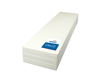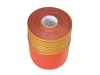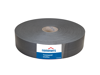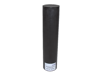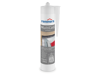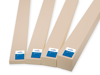
Rigid polyurethane foam strips with mineral nonwoven backing for creating capillary-active interior insulation
Energetic refurbishment with internal insulation
Energy-efficient refurbishment? We get it done!
Many older buildings consume up to three times as much energy as modern new buildings – mainly due to insufficiently insulated walls. This not only drives up energy costs, but also pollutes the environment with unnecessary CO₂ emissions.
Good thermal insulation is therefore the key to greater energy efficiency and comfort. There are basically two options: external insulation and internal insulation.
While external insulation is standard in new buildings today, internal insulation is often the only ideal solution for older buildings, especially those with listed or architecturally valuable façades. This preserves the external appearance and allows the building to be used in an energy-efficient and sustainable manner in the long run.
Remmers iQ-Therm 2.0 – intelligent interior insulation
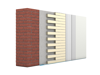
The iQ-Therm 2.0 system provides efficient thermal insulation from the inside when external insulation is not possible or desired. Thanks to its capillary-active technology, the wall can ‘breathe’ – moisture is not trapped. This ensures a healthy indoor climate and guarantees mould-free walls.
The new strip technology makes application easy, clean and safe. The material can be cut and adjusted dust-free and effortlessly with a cutter knife. With just one product that replaces both adhesive mortar and thin-layer plaster, installation is particularly quick and efficient.
iQ-Therm 2.0 is three times slimmer than many commercially available solutions and offers a significantly higher thermal insulation value. This means that more usable space is retained in the inside room with the same insulation performance – a noticeable advantage, especially when space is limited.
Since 2009, iQ-Therm has been setting standards for capillary-active interior insulation systems: a high-performance thermal insulation material is combined with a mineral mortar – without a vapour barrier or complicated films. Moisture is safely returned to the indoor air without causing damage, supported by a climate-regulating plaster.
The result: greater living comfort, safety, sustainability – and noticeably lower heating costs.
System data sheet
Find the corresponding system data sheet to this solution now!